Overweight or obese can lead to a range of health issues. Although many different diets are available, a balanced lifestyle and nutritious diet are the key to healthy living and better weight control.
People can lose weight and maintain this loss by taking these beneficial steps. These steps are following:
1 : Drink Water Especially Before Meal:

It is often claimed that drinking water can help with weight loss — and that’s true.
Drinking water can boost metabolism by 24–30% over a period of 1–1.5 hours, helping you burn off a few more calories.
One study showed that drinking a half-liter of water about half an hour before meals helped dieters eat fewer calories and lose more weight, compared to those who didn’t drink the water.
2: Drink Green Tea

Green tea also has many benefits, one of them being weight loss.
Though green tea contains small amounts of caffeine, it is loaded with powerful antioxidants which are believed to work synergistic with caffeine to enhance fat burning.
Many studies show that green tea (either as a beverage or a green tea extract supplement) can help you weight loss.
3.:Keep a food and weight diary
Self-monitoring is a critical factor in successfully losing weight. People can use a Paper diary Mobile app to record every item of food that they EAT each day. They can also measure their progress by recording their weight on a weekly basis.
4: Eliminate liquid calories
It is possible to consume hundreds of calories a day by drinking sugar-sweetened soda, tea, juice, or alcohol. These are known as “empty calories” because they provide extra energy without offering any nutritional benefits.
Unless a person is consuming a smoothie to replace a meal, they should aim to stick to water or unsweetened tea and coffee. Adding a splash of fresh lemon or orange to water can provide flavor.
5: Engage in regular physical activity and exercise

Regular exercise is necessary for physical and mental health. Increasing the frequency of physical activity in a disciplined way is often crucial for successful weight loss.
One hour of moderate-intensity activity per day, such as brisk walking, is ideal. If one hour per day is not possible, the Mayo Clinic suggests that a person should aim for a minimum 150 minutes every week.
People who are not usually physically active they should slowly increase the amount of exercise that they do and gradually increase its intensity. This approach is the most appropriate way to ensure that regular exercise becomes a part of their healthy lifestyle.
In the same way that recording meals can psychologically help with weight loss, people may also benefit from keeping track of their physical activity. Many free mobile apps are available that track a person’s calorie balance after they log their food intake and exercise.
If the thought of a full workout seems to be difficult someone who is new to exercise, they can doing the following activities to increase their exercise levels:
- taking the stair
- walking a dog
- gardening
- dancing
- playing outdoor games
Individuals who have a low risk of coronary heart disease are requires medical assessment ahead of starting an exercise.
6:Mind full Eating
Many people gain benefit from mindful eating, which involves being aware of why, how, when, where, and what they eat.
Making more healthful food choices is a direct outcome of becoming more in tune with the body.
People who practice mindful eating also try to eat more slowly and flavor their food, concentrating on the taste and nutrition.
7:Stay positive

Weight loss is a gradual process; it works with the passage of time. A person may feel discouraged if the pounds do not drop off at quite the rate that they had anticipated.
Some days will be harder than others when sticking to a weight loss program. A successful weight-loss program requires the individual’s patience and not give up when self-change seems too difficult.
Some people might need to reset their goals, potentially by adjusting the total number of calories they are aiming to eat or changing their exercise patterns.
The important thing is to keep a positive outlook and be persistent in working toward overcoming the barriers to successful weight loss.
8: Eat colorful, nutritionally foods

Healthful meals and snacks should form the foundation of the human diet. A simple way to create a meal plan is to make sure that each meal consists of 50 percent fruit and vegetables, 25 percent whole grains, and 25 percent protein. Total fiber intake should be 25–30 grams (g) daily
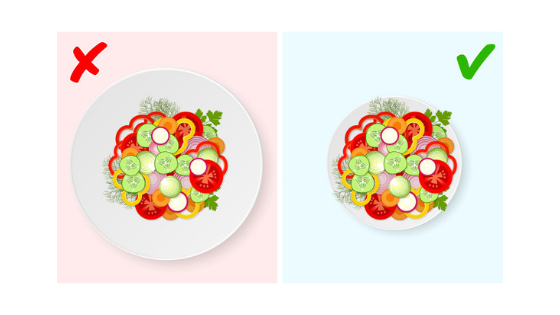
9:Use Smaller Plates
Using smaller plates has been shown to help some people automatically eat fewer calories.
10 :Chew More Slowly
Your brain may take a while to register that you’ve had enough to eat. Some studies show that chewing more slowly can help you eat fewer calories and increase the production of hormones linked to weight loss.
Also consider chewing your food more thoroughly. Studies show that increased chewing may reduce calorie intake and easy to digest.

 Article and blog writer